10 Alarming Ways the GUARD Act Could Restrict Your Daily Online Activities
The GUARD Act is moving through Congress with a key vote expected soon, framed as a response to dangerous AI companions targeting minors. But the bill's broad definitions and sweeping age-gating requirements go far beyond risky chatbots. It could block minors from everyday internet tools, force invasive age verification on all users, and undermine parental guidance. Here are 10 critical facts about how this legislation could impact your online experience—and why it deserves careful scrutiny.
1. Homework Helpers Become Off-Limits
Under the GUARD Act, any AI system that generates responses not fully pre-written is considered an "AI chatbot." This definition captures popular homework assistance tools like math solvers and essay tutors. A high school student asking an algebra question could be barred because the system dynamically generates step-by-step guides. The bill’s intent may be to block harmful interactions, but it inadvertently shuts down legitimate educational resources, leaving students without digital study aids that millions rely on daily.
2. Customer Service Chats Become Blocked for Teens
The bill bans minors from interacting with "AI companions," defined as chatbots that encourage interpersonal or emotional interaction. Modern customer service chatbots often use empathetic language—like “I’m sorry you’re having trouble”—to improve user experience. This could classify them as companions, making it illegal for a teenager to use a returns chatbot or track a package. The result? Young consumers lose access to efficient support, forcing them to rely on phone calls or in-person visits.
3. Search Engines with AI Features Face Age Gates
Search engines that integrate AI-powered summarization or predictive responses fall under the bill’s definitions. Google’s AI Overviews, for example, generate answers to queries rather than just showing links. If the GUARD Act passes, users under 18 would need verified age to use these features, effectively neutering modern search for teens. This could create a two-tier internet: one for adults with full AI functionality, another stripped-down version for minors.
4. Privacy-Invasive Verification for Everyone
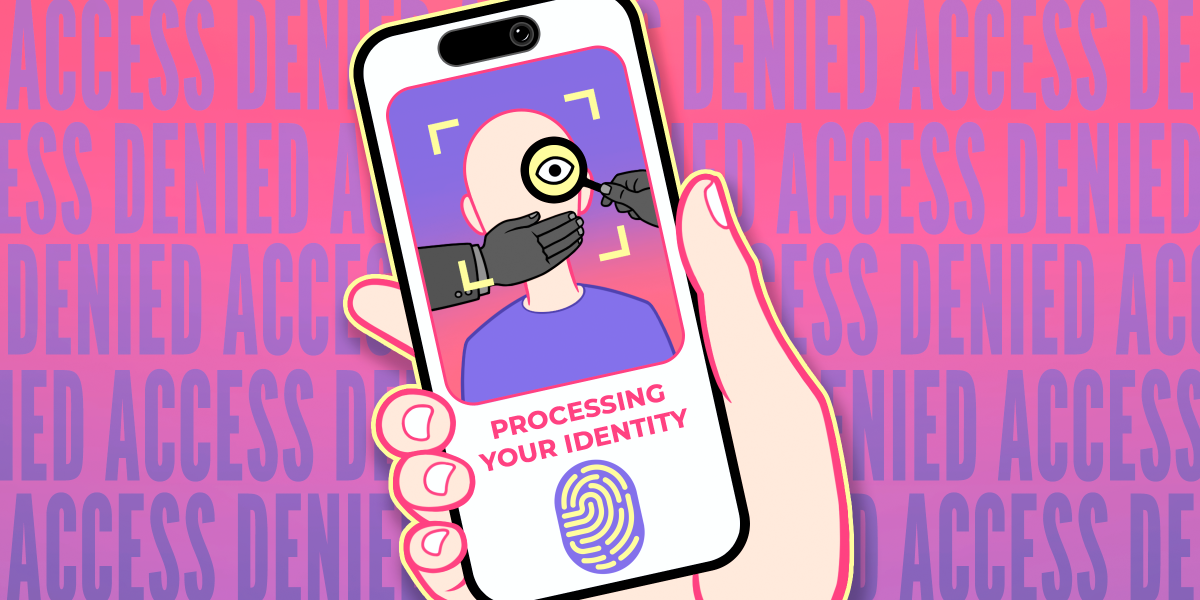
To comply, companies must verify the age of every user—not just minors. This forces adults to surrender personal data like government IDs or biometric information. The bill offers no clear privacy safeguards, leaving sensitive data vulnerable to breaches or misuse. A recent study by the Center for Democracy & Technology found 70% of adults worry age verification leads to surveillance. The GUARD Act turns that worry into reality, creating a digital ID system that tracks all users.
5. Parental Guidance Is Undermined
The bill imposes a uniform ban on all minors, removing parents’ ability to decide what tools are appropriate for their own children. A parent who trusts their teenager to use a grammar-checking AI or a mental health support bot would have no opt-in. This one-size-fits-all approach ignores different maturity levels and family values, replacing parental judgment with government mandate. Advocacy groups like the Electronic Frontier Foundation argue this infringes on family autonomy.
6. General-Purpose Assistants Become Restricted
Virtual assistants like Siri, Alexa, or ChatGPT are designed to be conversational and helpful. They ask follow-up questions and adapt responses—traits that could be seen as facilitating interpersonal interaction. Under the bill, a teenager asking for homework help from a general AI could be blocked because the system engages in back-and-forth dialogue. This slashes the utility of AI tools that enhance productivity, creativity, and learning for young users.
7. Vague Definitions Lead to Overcompliance
The term "AI companion" is alarmingly fuzzy. It covers any chatbot that produces human-like responses and encourages emotional interaction. But modern chatbots are built to be personable. A simple “good question” from a tutor bot might count. Facing steep penalties—up to $50,000 per violation—companies will err on the side of blocking entire platforms for users under 18, even if the risk is minor. This chilling effect stifles innovation and access.

8. Teens Lose Access to Mental Health Resources
Ironically, while the bill aims to protect young users from dangerous AI, it could cut off legitimate mental health chatbots like Woebot or Wysa. These tools offer cognitive behavioral therapy and crisis support, often used by teens uncomfortable with face-to-face counseling. By defining empathetic AI responses as "companion" behavior, the bill forces these services to block minors, leaving vulnerable youth without a low-barrier option for mental health support.
9. Small Businesses Face Compliance Burdens
Age-verification systems are expensive. Small companies that offer AI-powered customer support or educational tools may not afford sophisticated verification technology. The bill imposes strict liability, meaning ignorance of a user’s age is no defense. Many startups will either block all minor traffic (losing a key demographic) or shut down if they can’t comply. This concentrates power among big tech firms that can afford compliance, reducing competition and consumer choice.
10. Targeted Solutions Exist—But This Bill Ignores Them
The genuine concerns behind the GUARD Act—harmful AI interactions with minors—deserve targeted solutions: better content moderation, clearer safety standards for chatbot design, and enforcement against malicious actors. Existing laws like COPPA already restrict data collection from children. Instead of sweeping age bans, Congress could fund research into safe AI frameworks or require transparency in chatbot functionality. The GUARD Act takes a blunt instrument approach that harms everyday internet use without addressing the core problem.
The GUARD Act is not about stopping dangerous AI; it’s about reshaping the internet for everyone under 18—and by extension, everyone else who must submit to age verification. Lawmakers should reconsider the bill’s overbroad definitions and unintended consequences. A more sensible path would focus on enforcement against bad actors, not building a wall around everyday tools. The internet is a critical resource for education, commerce, and social connection. Let’s protect vulnerable users without dismantling the digital world that serves them.