7 Key Revelations from LayerZero's Kelp Bridge Exploit Report
The cryptocurrency world was shaken on April 18 when a sophisticated exploit drained $292 million from the KelpDAO bridge. In the aftermath, LayerZero Labs commissioned a comprehensive forensic investigation, collaborating with cybersecurity heavyweights Mandiant, CrowdStrike, and zeroShadow. Their report, released on Sunday, unveils a previously undisclosed configuration flaw that turned a secure two-key system into a fragile one-key setup. This article breaks down the seven most critical findings from that report, shedding light on how the attack succeeded and what it means for the future of cross-chain security.
1. The A-Team of Cybersecurity Investigators
LayerZero didn't go it alone. To piece together the Kelp bridge exploit, they enlisted three top-tier firms: Mandiant, CrowdStrike, and zeroShadow. Each brought specialized expertise—Mandiant in incident response, CrowdStrike in threat intelligence, and zeroShadow in blockchain forensics. Their combined analysis traced every transaction, flagged suspicious wallet activity, and uncovered the root cause. This collaboration underscores how complex on-chain attacks require a multidisciplinary approach. The report itself is a model for transparency in the DeFi space, providing a blueprint for other protocols to follow when investigating exploits.
2. The Exploit's Shocking Scale: $292 Million Vanished
On April 18, attackers managed to siphon nearly $300 million from the KelpDAO bridge—one of the largest bridge exploits in history. The funds were swiftly moved through a series of decentralized exchanges and mixers, making recovery extremely difficult. The report confirms that the entire attack took less than 30 minutes from initial compromise to final withdrawal. This lightning-fast execution highlights the automated nature of modern exploits, where bots react in real-time to vulnerabilities. The loss represents a significant portion of KelpDAO's total value locked, sending shockwaves through its user community.
3. The Critical Vulnerability: A Single Point of Failure
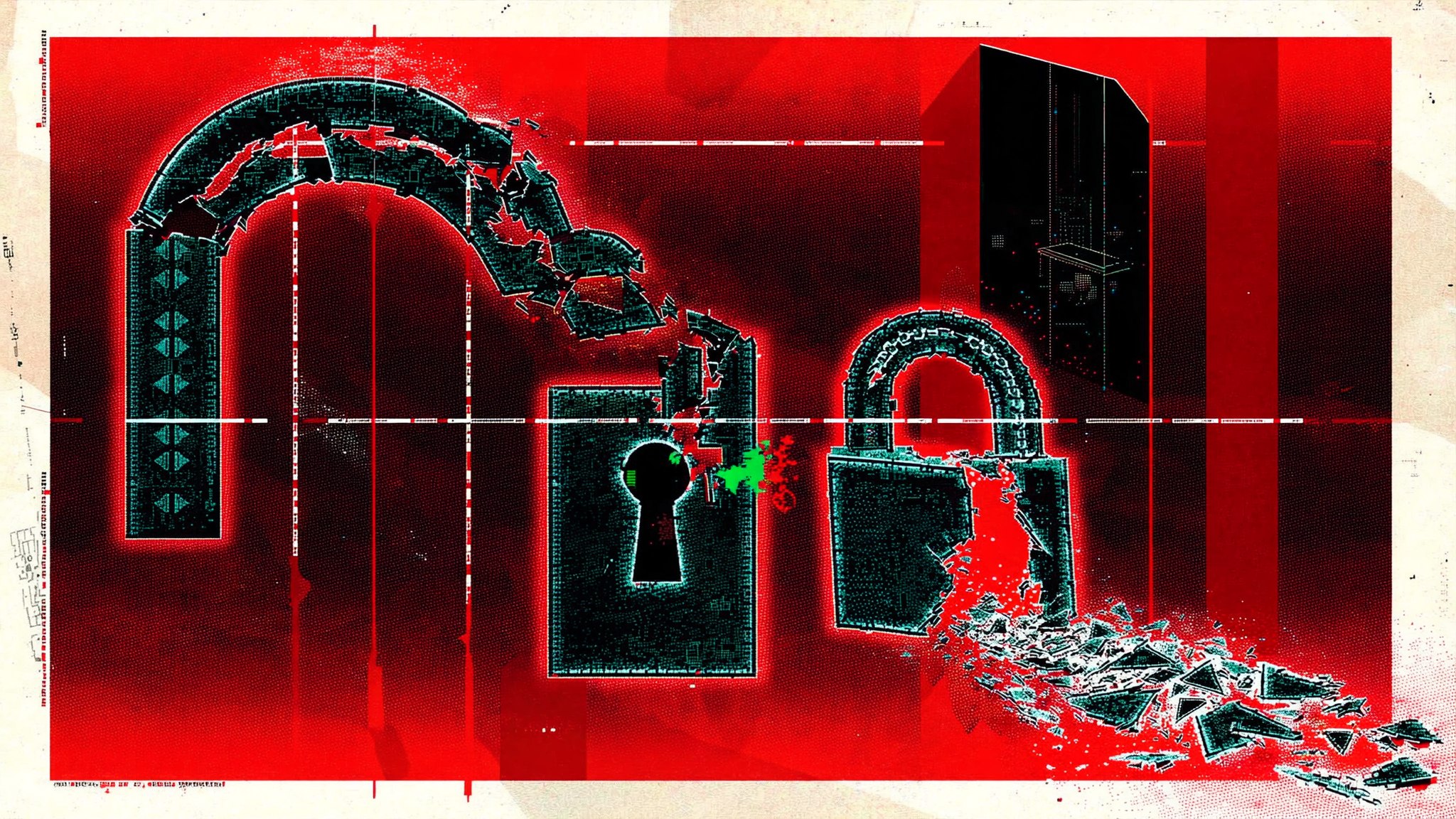
The report's most startling revelation is that KelpDAO's bridge had been downgraded from a 2-of-2 multi-signature setup to a 1-of-1 single-signer configuration just before the attack. This change meant that a single compromised private key could authorize all transactions—and that's exactly what happened. The downgrade was previously unreported and appears to have been made without community knowledge or oversight. LayerZero's investigation suggests the change was introduced through an administrative backdoor in the bridge's underlying smart contract logic, effectively bypassing the intended security guarantees.
4. How the Attack Unfolded: Step by Step
The forensic timeline is chilling. First, the attacker gained access to the sole authorized signer's private key—likely through a phishing attack or compromised endpoint. Then, within minutes, they issued a series of withdrawal requests to the bridge's liquidity pools. Because only one signature was required, each request was immediately approved. The funds were then bridged to multiple chains and swapped for native assets. The report notes that the attacker used 17 different addresses to obfuscate the flow, but blockchain surveillance tools still managed to trace the majority of funds to a single exchange before they were frozen.
5. The Ripple Effect: Impact on KelpDAO and Users
Beyond the immediate $292 million loss, the exploit caused a cascade of secondary effects. KelpDAO's governance token crashed over 40% within hours of the attack. Many users had their funds stuck in the bridge during the incident, leading to weeks of uncertainty about recovery. The protocol had to halt all bridging operations and issue an emergency proposal to compensate victims. While LayerZero's report provides clarity, it also reveals that the team had ignored earlier warnings about the single-signer risk from independent auditors—a missed opportunity that proved costly.

6. LayerZero's Response and New Security Measures
In direct response to the Kelp exploit, LayerZero has implemented several mandatory security upgrades for all bridges using its infrastructure. These include enforcing a minimum 2-of-3 multi-signature requirement for any DVN (Designated Verifier Node) configuration, real-time monitoring of key changes, and automatic alerts for any downgrade in signing thresholds. Additionally, LayerZero now requires all bridge operators to undergo periodic security audits by at least two independent firms. The report emphasizes that these changes are retroactive—existing deployments have 30 days to comply or risk being blacklisted from the LayerZero ecosystem.
7. Lessons for the Entire DeFi Ecosystem
Perhaps the most valuable takeaway from this incident is the importance of decentralization in key management. The 2-of-2 to 1-of-1 downgrade is a textbook example of concentration risk—a single point of failure that can be exploited silently. The report recommends that all bridge operators adopt threshold signatures, time-locks for administrative changes, and decentralized governance for security parameters. As cross-chain activity grows, so do attack surfaces. LayerZero's findings serve as a stark reminder that security is not a one-time setup but an ongoing process requiring vigilant monitoring and community oversight.
Conclusion: The KelpDAO bridge exploit was a painful but invaluable lesson for the DeFi world. LayerZero's transparent report, aided by leading cybersecurity firms, has laid bare the vulnerability that cost $292 million. The key insight—a covert downgrade from multi-sig to single-sig—highlights how even well-designed protocols can be undermined by administrative negligence. As the industry moves toward more robust security standards, this incident will likely serve as a case study for years to come. The question now is not if another such exploit will happen, but whether other protocols will learn from Kelp's mistakes before they become victims themselves.