How Travel Might Keep You Young: The Science of Slowing Aging Through Exploration
A recent scientific study has uncovered a surprising potential benefit of travel: it may help slow the aging process and enhance overall health. By examining travel through the concept of entropy—a measure of disorder in a system—researchers found that positive travel experiences can help maintain bodily balance and resilience. From exploring unfamiliar places to staying physically active and building social connections, travel appears to boost immunity, metabolism, and the ability to recover from stress. However, the researchers caution that stressful or unsafe travel might actually reverse these benefits.
The Link Between Travel and Biological Aging
Understanding Entropy and Your Body
Entropy is a principle from thermodynamics that describes the tendency of systems to move toward disorder. In the human body, aging is often associated with increasing entropy—cells break down, systems become less efficient, and health declines. The study suggests that travel, when done right, can counteract this process by introducing new stimuli that challenge the body and mind, promoting adaptation and reducing entropy.
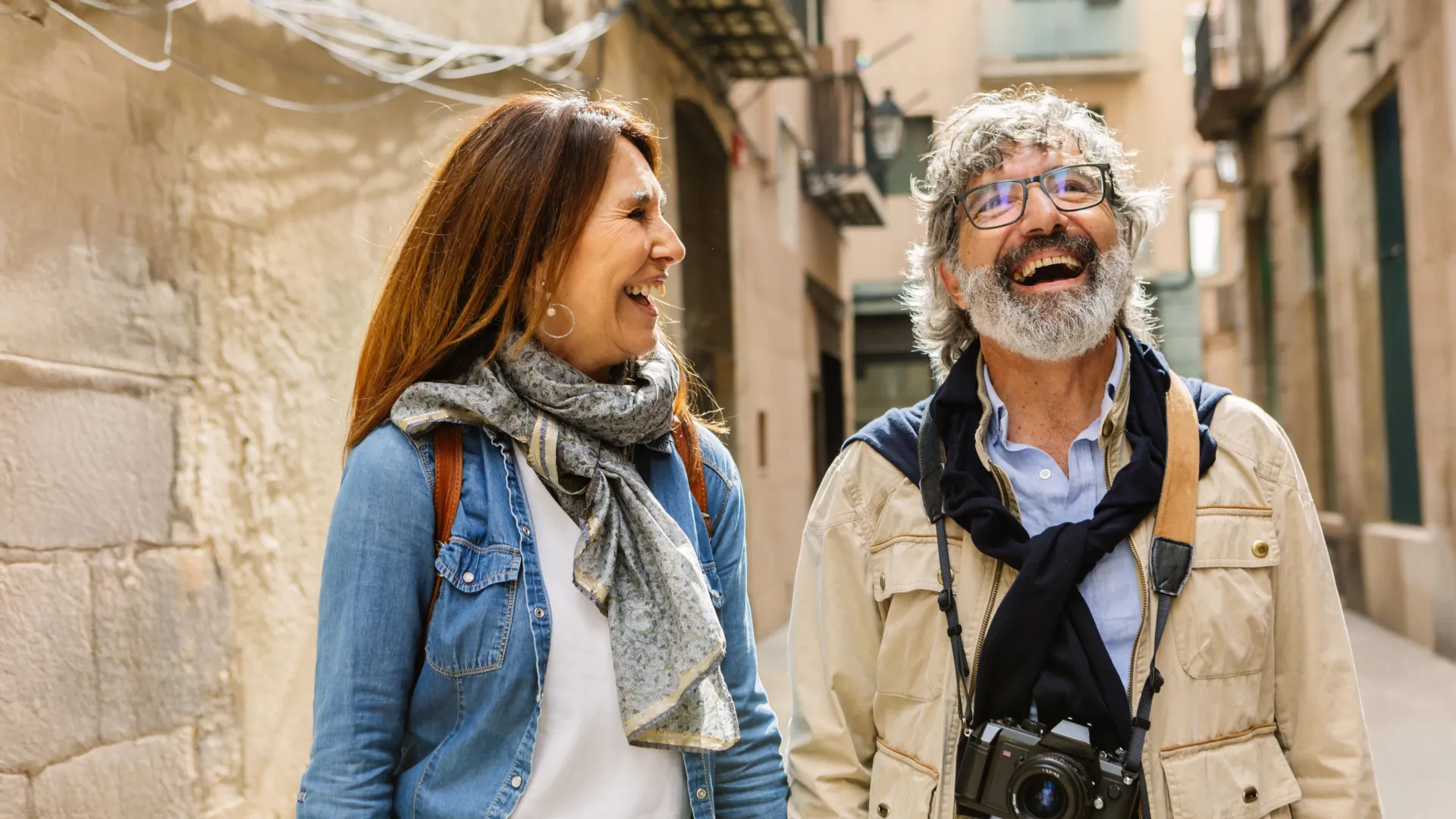
Positive Travel Experiences as Anti-Entropy Tools
Travel exposes people to novel environments, new cuisines, different climates, and unfamiliar physical demands. These experiences trigger a cascade of biological responses that can strengthen the body’s regulatory systems. For example, navigating a foreign city involves problem-solving and spatial awareness, which can boost cognitive function. Similarly, engaging in light hiking or walking tours supports cardiovascular health and metabolic flexibility.
Key Benefits of Travel for Health and Longevity
Boosting Immunity and Metabolism
Regular travel often involves increased physical activity, from walking through airports to exploring new destinations on foot. This movement helps stimulate circulation, improve digestion, and enhance metabolic rate. Additionally, exposure to new microbes in different environments can strengthen the immune system by providing a low-level challenge that prompts the body to produce more robust defenses. The study highlights that these factors contribute to a lower state of systemic inflammation, a key driver of aging.
Enhancing Stress Recovery and Resilience
Positive travel experiences—such as relaxing on a beach, visiting natural wonders, or enjoying cultural experiences—promote the release of feel-good hormones like dopamine and serotonin. These neurochemicals help regulate stress responses and lower cortisol levels. Over time, regular travel can improve the body’s ability to bounce back from daily stressors, reducing the wear and tear associated with chronic stress. However, the effect is highly dependent on the quality of travel: peaceful, enjoyable trips yield benefits, while high-stress trips may have the opposite effect.
Social Connections and Mental Well-Being
Travel often involves meeting new people or strengthening bonds with travel companions. Social interactions are known to reduce the risk of cognitive decline and improve mental health. The study suggests that the novelty and unpredictability of travel-related social engagements stimulate neural plasticity, helping to preserve memory and learning abilities as we age.
The Dark Side: When Travel Harms Health
Stressful or Unsafe Travel Risks
Not all travel is beneficial. The researchers warn that stressful experiences—such as flight delays, unsafe accommodations, or confrontations—can raise cortisol levels and increase oxidative stress, accelerating cellular damage. Similarly, travel to areas with high pollution, extreme weather, or poor sanitation may expose travelers to toxins or diseases that strain the body. These negative experiences can counteract the anti-aging benefits and may even lead to a net increase in entropy. The key lies in preparing well and choosing destinations that align with one’s personal comfort and safety.
Practical Tips for Traveling with Health in Mind
Choosing Destinations and Activities Wisely
To maximize the anti-aging potential of travel, the study suggests focusing on trips that combine physical activity, mental stimulation, and relaxation. Consider destinations that offer nature walks, cultural immersion, and opportunities for social interaction. Avoid overpacking itineraries; allow time for rest and unplanned exploration. Also, plan for potential stressors—such as travel delays or language barriers—by researching ahead and packing essentials like first aid supplies. By approaching travel with balance and intention, you can harness its power to slow aging and improve well-being.