How to Revive a Classic Programming Book for the Digital Age
Introduction
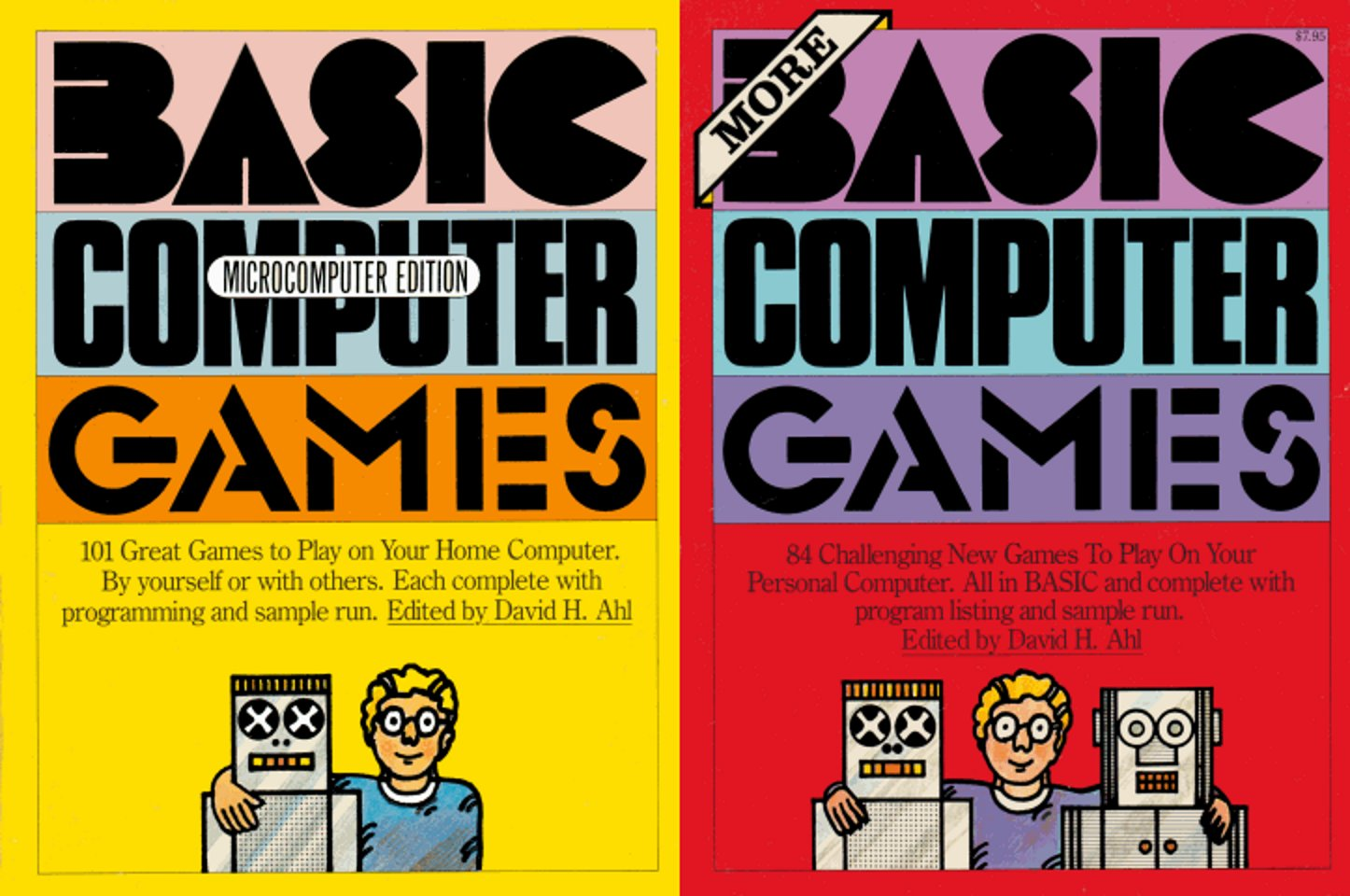
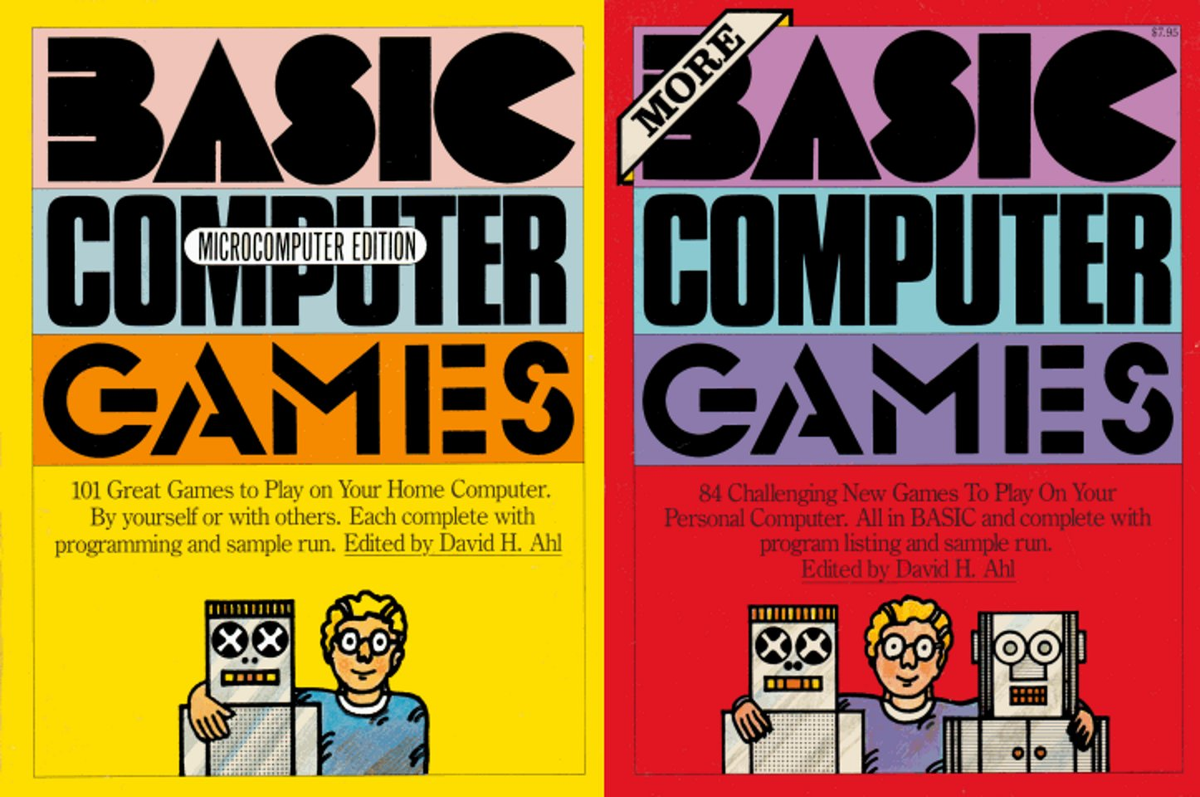
In the early days of personal computing, before graphical interfaces and app stores, there was the command line. Enthusiasts would painstakingly type in programs from books like 101 BASIC Computer Games, which became a cornerstone of programming education. That book, compiled by David Ahl from his Creative Computing magazine, launched countless careers and sparked a revolution. Today, you can follow in Ahl’s footsteps to update a classic programming book for a new generation. This guide walks you through the entire process—from curating legacy code to modern distribution—so you can preserve the past while igniting the future.
What You Need
- Original source materials: Old magazines, published programs, or code archives (e.g., from Creative Computing or similar era).
- Modern language skills: Proficiency in Python, JavaScript, or another widely-used language to translate BASIC programs.
- Publishing tools: Word processor, LaTeX, or markdown editor; graphic design software for illustrations; PDF/eBook creation software (e.g., Calibre, Adobe InDesign).
- Distribution channels: Self-publishing platforms (Amazon KDP, IngramSpark) or a publisher; also consider GitHub Pages or a personal blog for free digital releases.
- Rights clearance: Legal advice or knowledge of copyright law to ensure you have permission to reuse the original content.
- Community connections: Forums, mailing lists, or social media groups of retro computing enthusiasts to help test and promote.
- Time and patience: Expect weeks to months, especially for testing and marketing.
Step-by-Step Guide to Reviving a Classic Programming Book
Step 1: Curate the Core Content
Begin by gathering the most impactful programs from the original book. Ahl selected games from Creative Computing magazine that were both educational and fun. Prioritize programs that teach algorithmic thinking—like lunar lander, Nim, or tic-tac-toe—over simple number tricks. For each program, take notes on its historical significance and what made it special in the BASIC era.
Step 2: Secure the Rights
Before you can legally publish updated code, you must own or license the rights. Ahl himself acquired the rights from DEC before launching Creative Computing. Contact the original publisher or author’s estate. If the work is truly orphaned, consult an attorney about fair use or public domain status. Many old magazine articles have unclear copyright, but ethical practice demands effort to obtain permission.
Step 3: Translate Programs to a Modern Language
Rewrite each program in Python, JavaScript, or another accessible language. Preserve the core logic while adding comments and modern structures (e.g., functions, classes). Test each translation thoroughly—ideally with a group of beta readers who remember the originals. Ensure the code runs on modern operating systems without emulators. This step is the heart of the update and will take the longest.
Step 4: Write Engaging Explanations
Ahl’s original book had minimal explanations—users copied code and learned by doing. For a modern audience, add a “How It Works” section for every program. Explain the algorithm, its historical context, and how the new code achieves the same effects. Use diagrams or ASCII art to illustrate concepts. Keep the tone friendly but precise, like a mentor guiding someone through their first program.
Step 5: Design the Book Layout
Create a clean, readable layout with ample white space. Use a monospaced font for code and a sans-serif font for explanations. Include a table of contents with links to each program. For print versions, ensure code snippets don’t break across pages. For digital versions, test on e-readers, tablets, and phones. Ahl laid out his first issues by hand—use modern tools like LaTeX or Markdown with CSS for professional results.
Step 6: Test Everything Rigorously
Before publishing, recruit a diverse group of testers—some who remember BASIC, some who are new to coding. Ask them to type in programs from the book and run them. Fix any errors in code or typos in text. Also test the book on different platforms: Windows, macOS, Linux, and mobile web. Ahl printed 8,000 copies on a hunch; you can start with a limited beta to validate.
Step 7: Publish and Distribute Widely
Choose your distribution model. Self-publish on Amazon KDP or IngramSpark for print-on-demand; offer a free PDF or HTML version on a dedicated website to maximize reach. Ahl sent unsolicited copies to libraries and schools—you can do the same digitally, pitching to coding clubs, maker spaces, and university computer science departments. Use social media and retro computing forums to spread the word.
Step 8: Gather Feedback and Iterate
After release, actively collect reader feedback via a simple web form or email. Create an errata page and issue updates periodically. Consider a second edition that adds community-contributed programs. Ahl’s magazine grew from 600 to thousands of subscribers because he listened to his audience. Do the same: incorporate corrections, add new challenges, and keep the book alive.
Tips for Success
- Honor the original spirit: Don’t over-optimize the code—keep some of the quirky, educational character of early BASIC. Beginners learn from imperfections too.
- Leverage nostalgia: Market the book as a historical artifact as much as a coding primer. Include vintage screenshots and anecdotes from the original era.
- Offer supplementary materials: Create companion videos, blog posts, or a GitHub repository with runnable code. This adds immense value.
- Think beyond print: Consider a web-based interactive version where readers can edit and run code in the browser (like Replit or CodePen embeds).
- Build a community: Start a Discord or Reddit group for readers to share their versions of the games. This mirrors the collaborative spirit of the original computer clubs.
- Plan for sustainability: If you use public domain or licensed content, be clear about reuse rights. Consider releasing the modern code under an open-source license.
- Stay patient: Ahl’s first print run nearly bankrupted him; your digital-first approach reduces risk. Small, iterative releases will build momentum.
By following these steps, you can bring a piece of computing history back to life. The single most influential book of the BASIC era taught a generation how to program. Your update can inspire the next one—bridging the gap between type-in code and modern development. Start today, and who knows? Your book might become someone’s first love in coding.